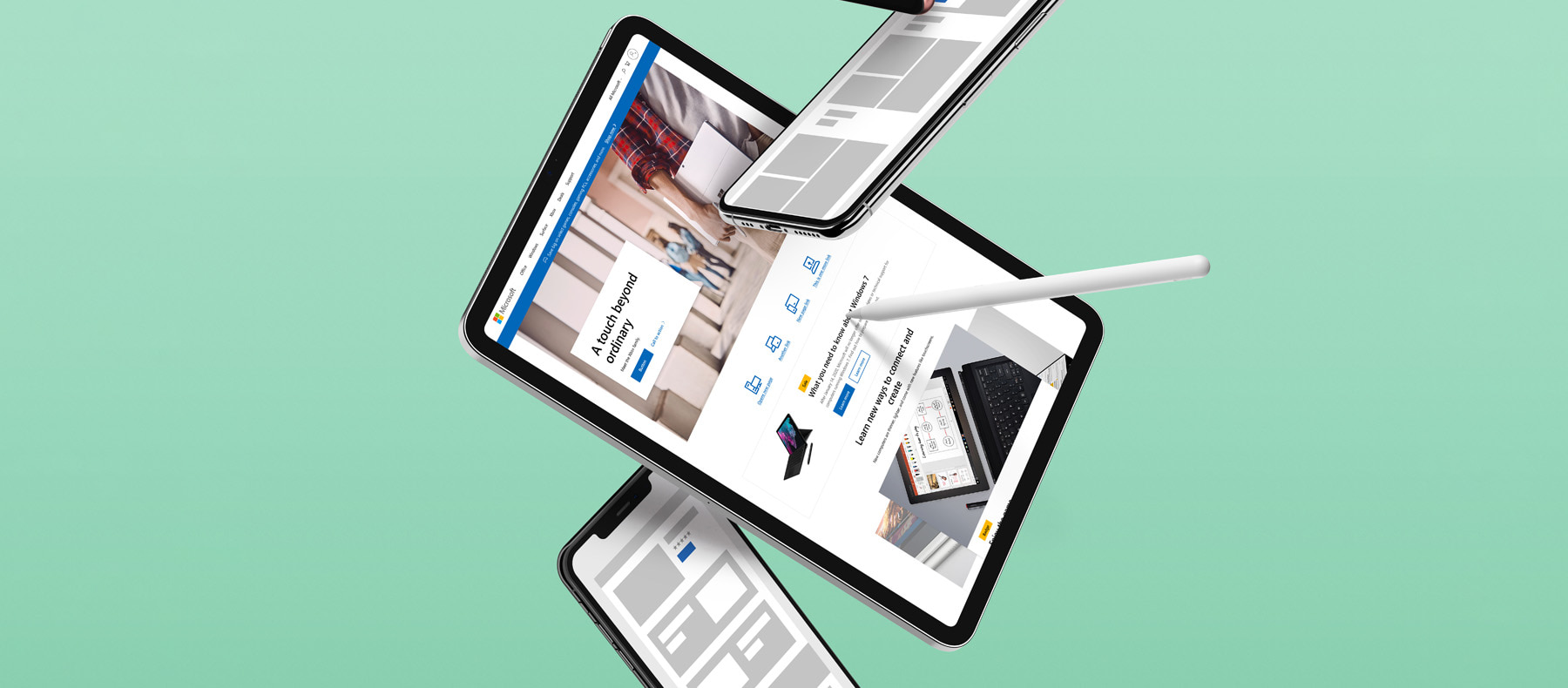
Building the Foundation
Microsoft engaged our team to help create a new generation of web components and design standards for Microsoft.com. The goal was ambitious: build a flexible, accessible system capable of supporting hundreds of products, teams, and content scenarios while establishing a consistent experience across a vast and evolving web presence.
As lead designer on the VML side, I worked closely with Microsoft's internal design teams to help define the visual language, component behaviors, and documentation standards that would guide the system. The work required balancing accessibility, scalability, and usability while creating a framework flexible enough to support the diverse needs of the Microsoft ecosystem.
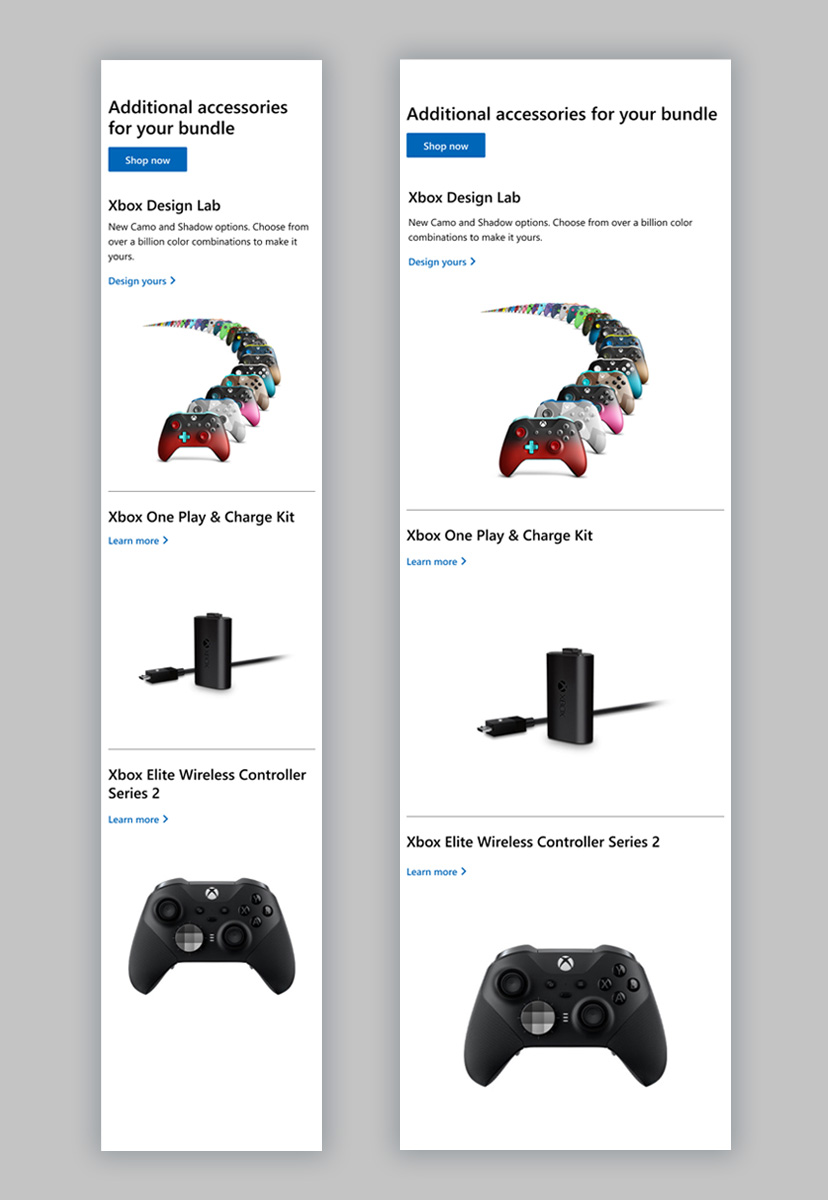
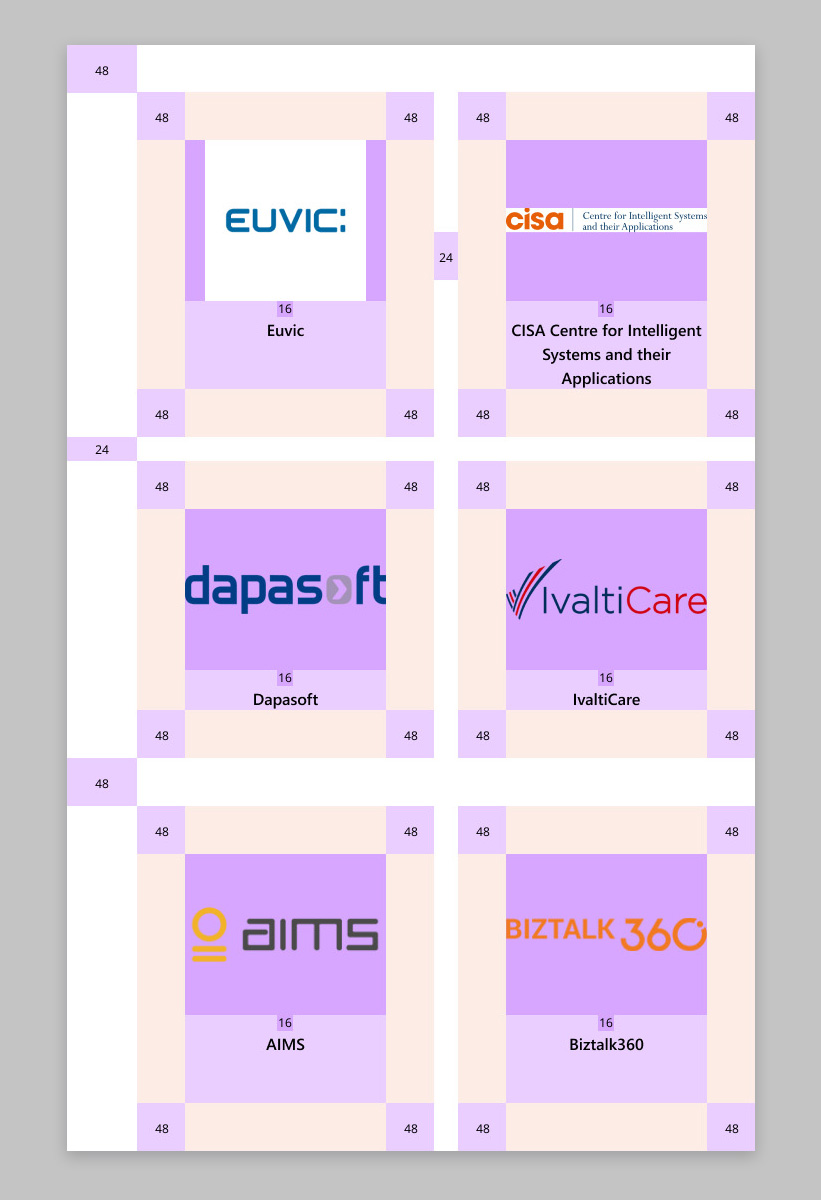
I helped lead a distributed team spanning multiple VML offices, coordinating design efforts and contributing to the development of a comprehensive library of responsive UI components and supporting documentation.
A major part of the role involved bringing people together. I collaborated regularly with Microsoft stakeholders and design teams, facilitated alignment across organizations, and developed onboarding materials to help partner agencies quickly understand the system, standards, and design principles behind the work.
Putting It Into Practice
The success of the engagement led to a second phase: creating the launch campaign for the design system itself.
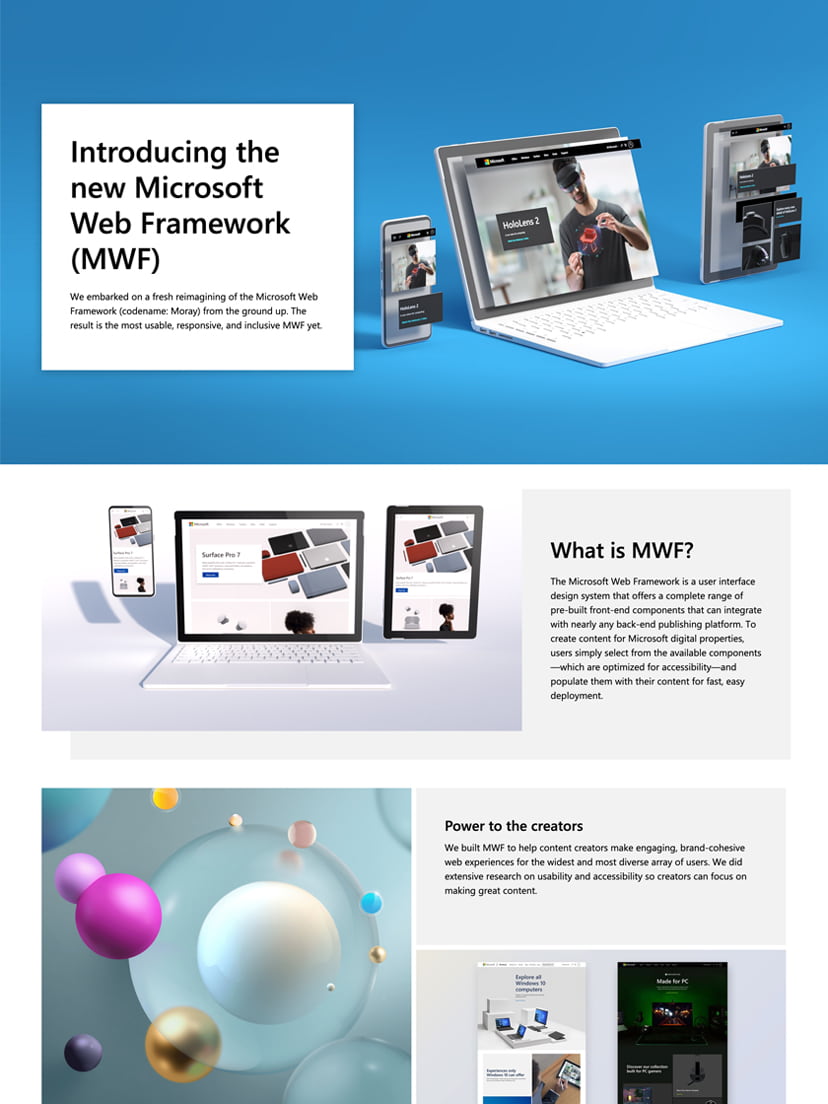
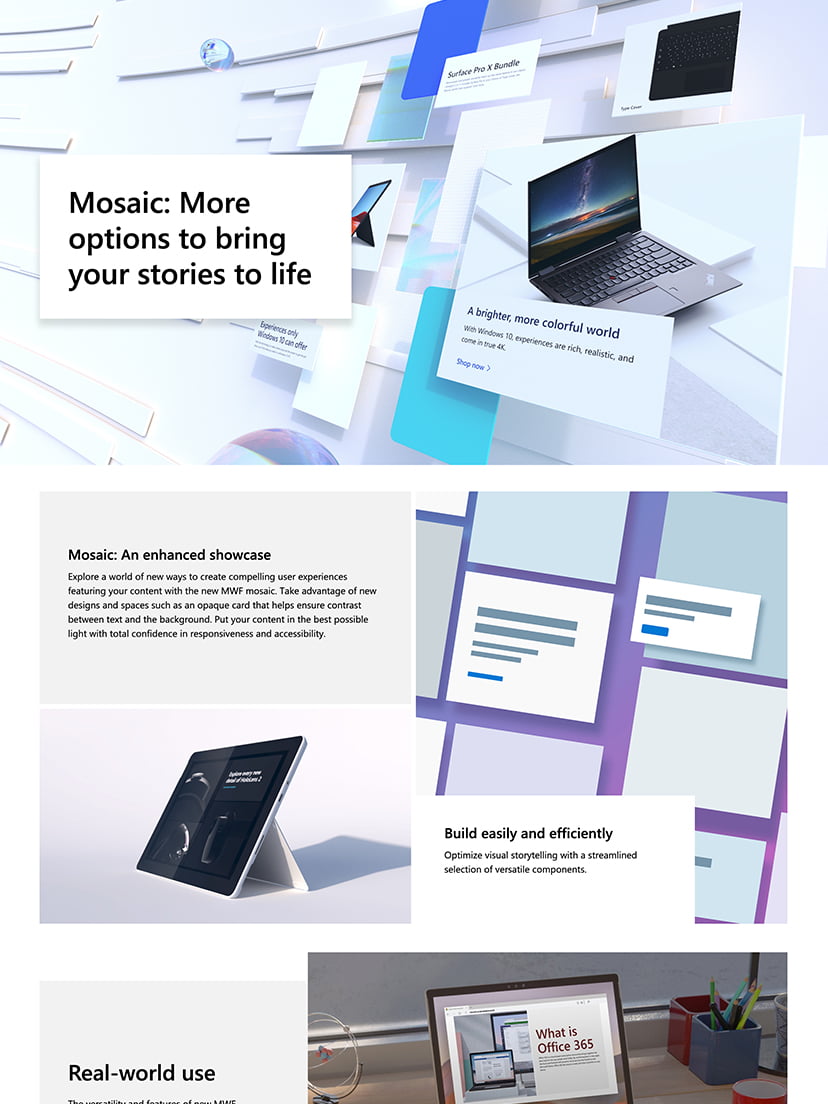
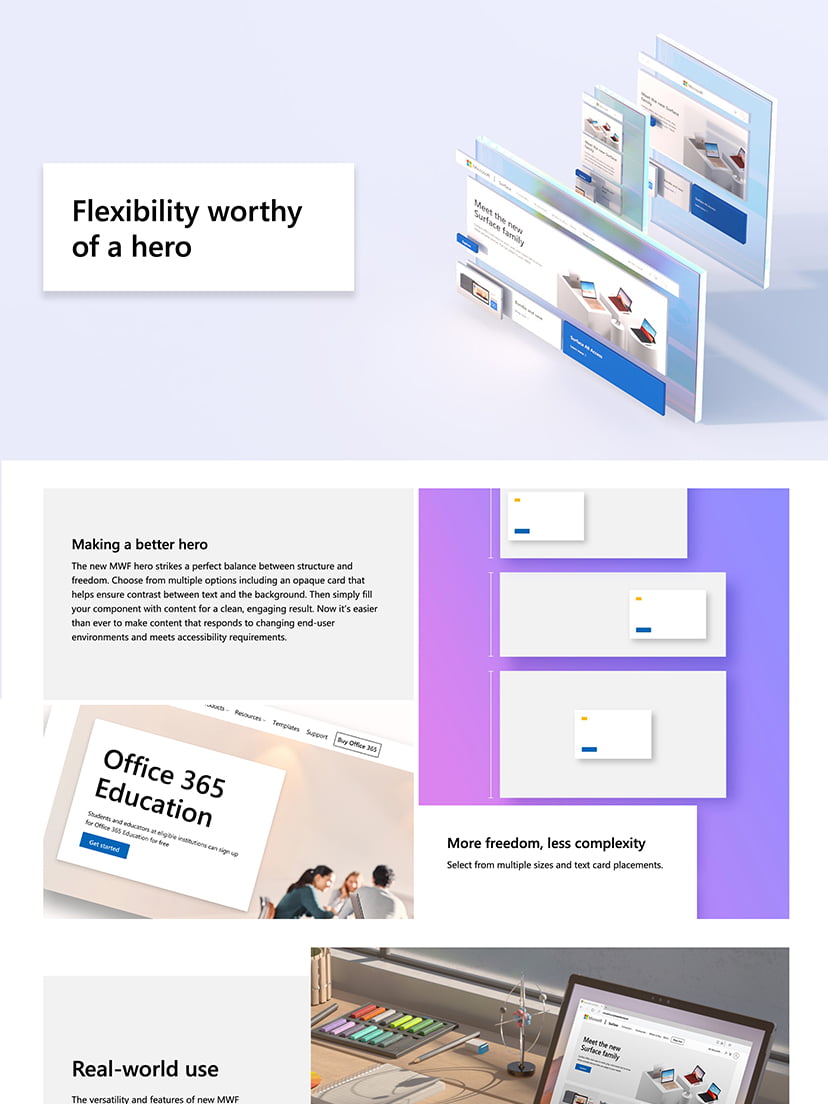
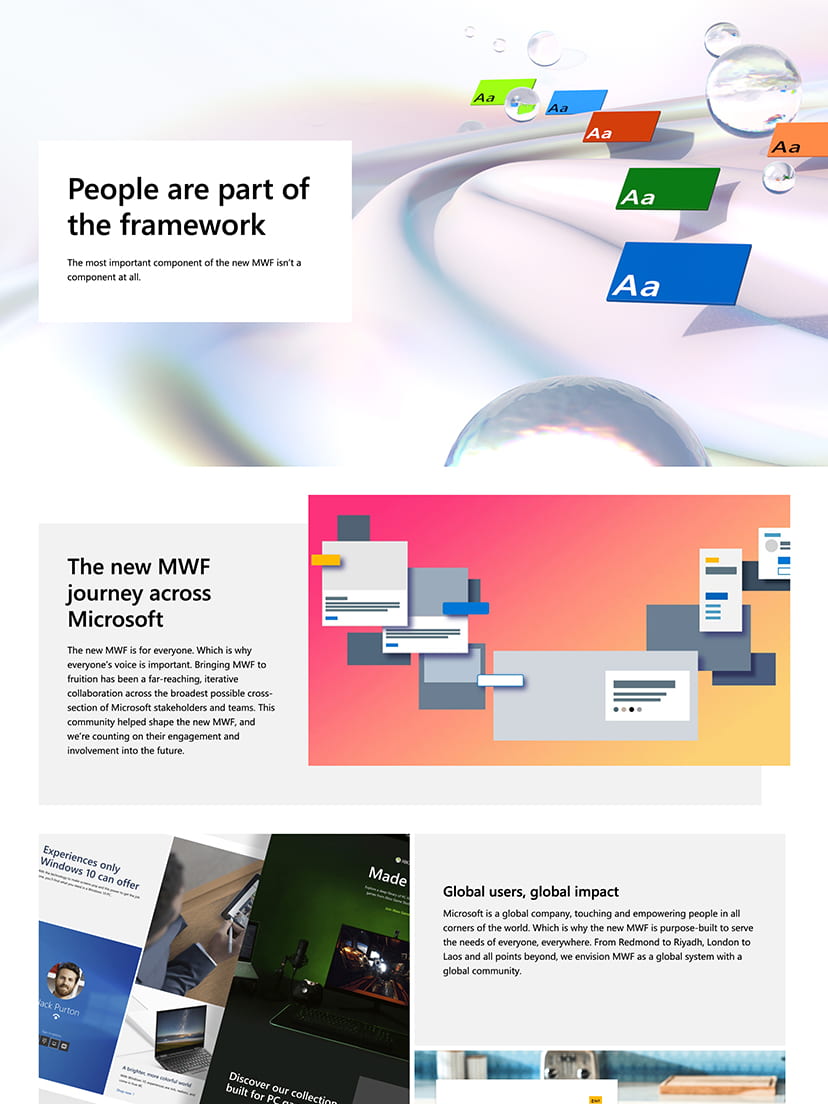
Rather than simply promoting the new system, our team used it as intended—building a dedicated microsite and suite of supporting materials using the very components and design language we had helped create. The project became an opportunity to test the system under real-world conditions while demonstrating its flexibility and strengths to the broader Microsoft organization.
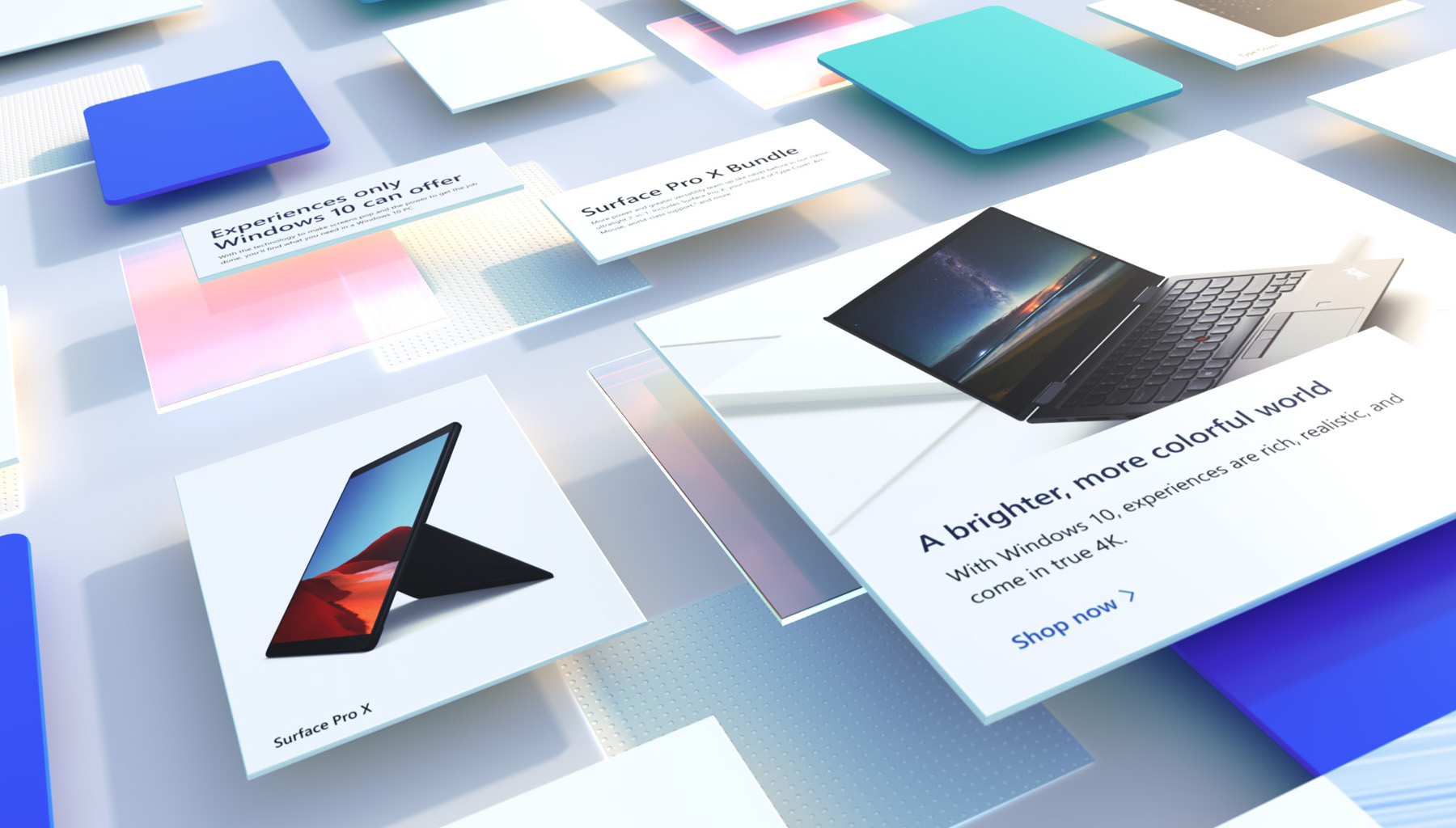
Extending the Experience
The partnership continued with a third initiative focused on reimagining one of the most visible touchpoints across Microsoft.com: the global navigation experience.
I developed concepts for a more visual, mobile-first navigation system built directly from the component framework established in the earlier phases. The approach emphasized accessibility, scalability, and consistency while providing a flexible foundation that could accommodate the needs of many different organizations contributing content across Microsoft's web properties.
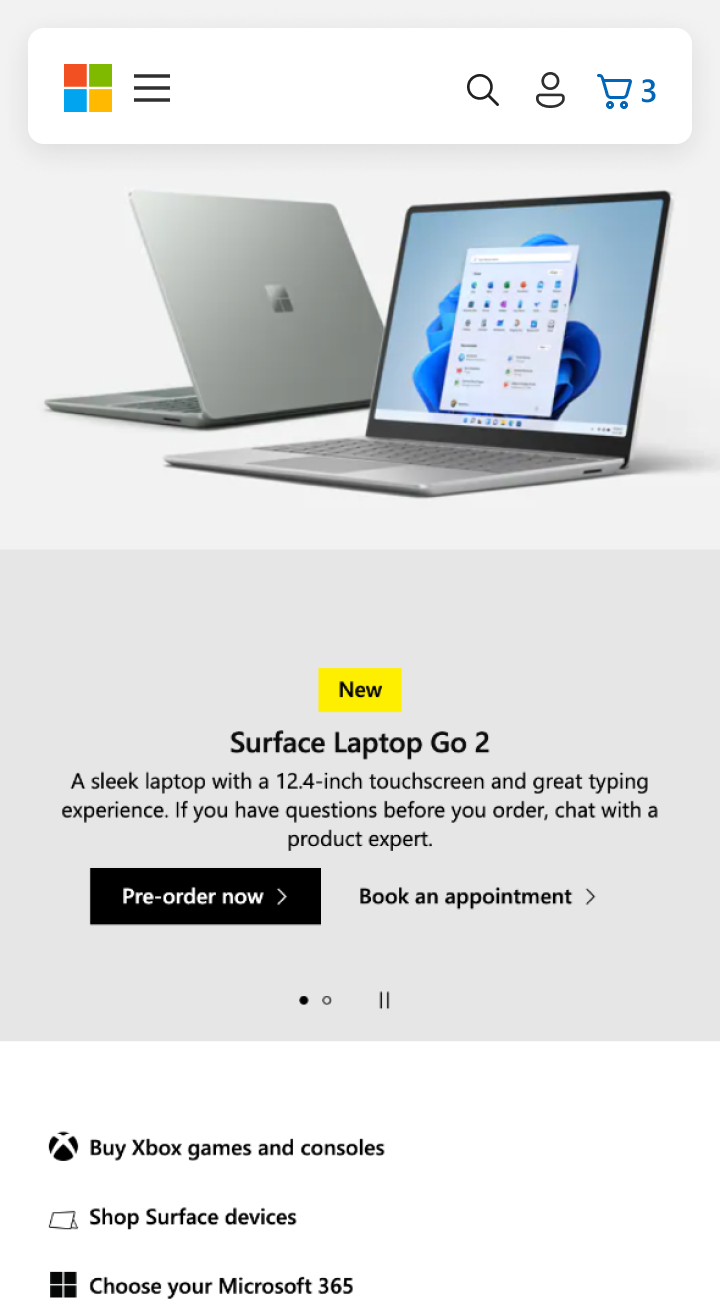
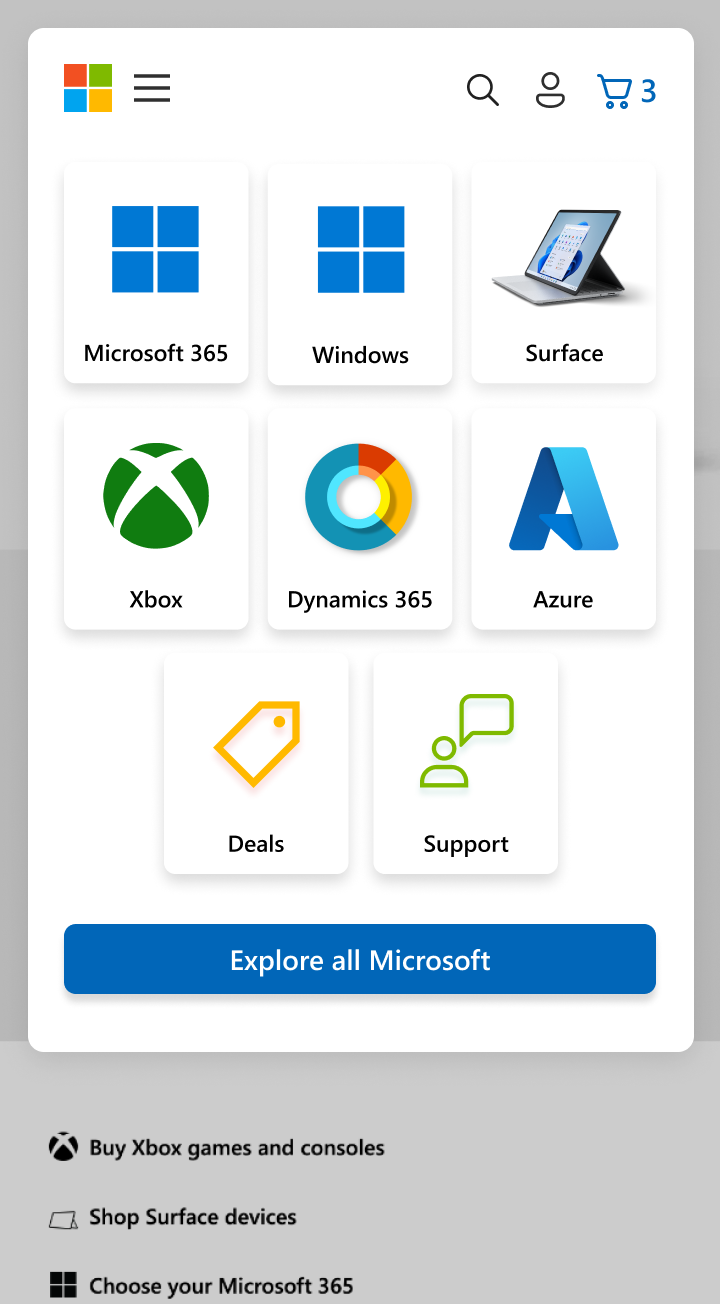
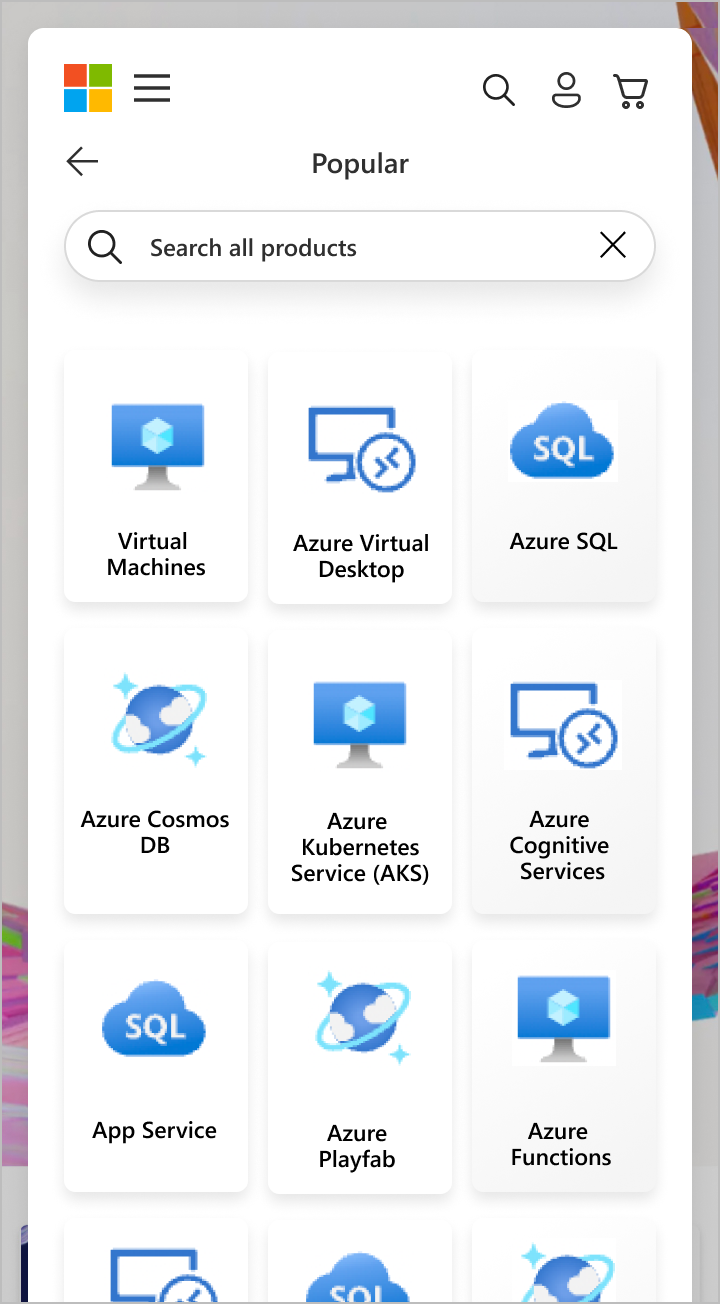
What began as a component library evolved into a multi-phase collaboration spanning design systems, product marketing, and platform experience design.
The project reinforced a principle that continues to guide my work today: successful design systems are not just collections of components. They're shared languages that help teams work together, scale effectively, and create better experiences for the people using them.